

The World as Seen from the Kibera the Slum
— From Being Spoken For to Speaking for Myself —
We invited applications from individuals seeking to share their work and perspectives through exhibition opportunities in Japan, receiving a total of 32 submissions. Following a document review and in-person auditions held in Kibera, 12 artists were selected to participate in this exhibition.
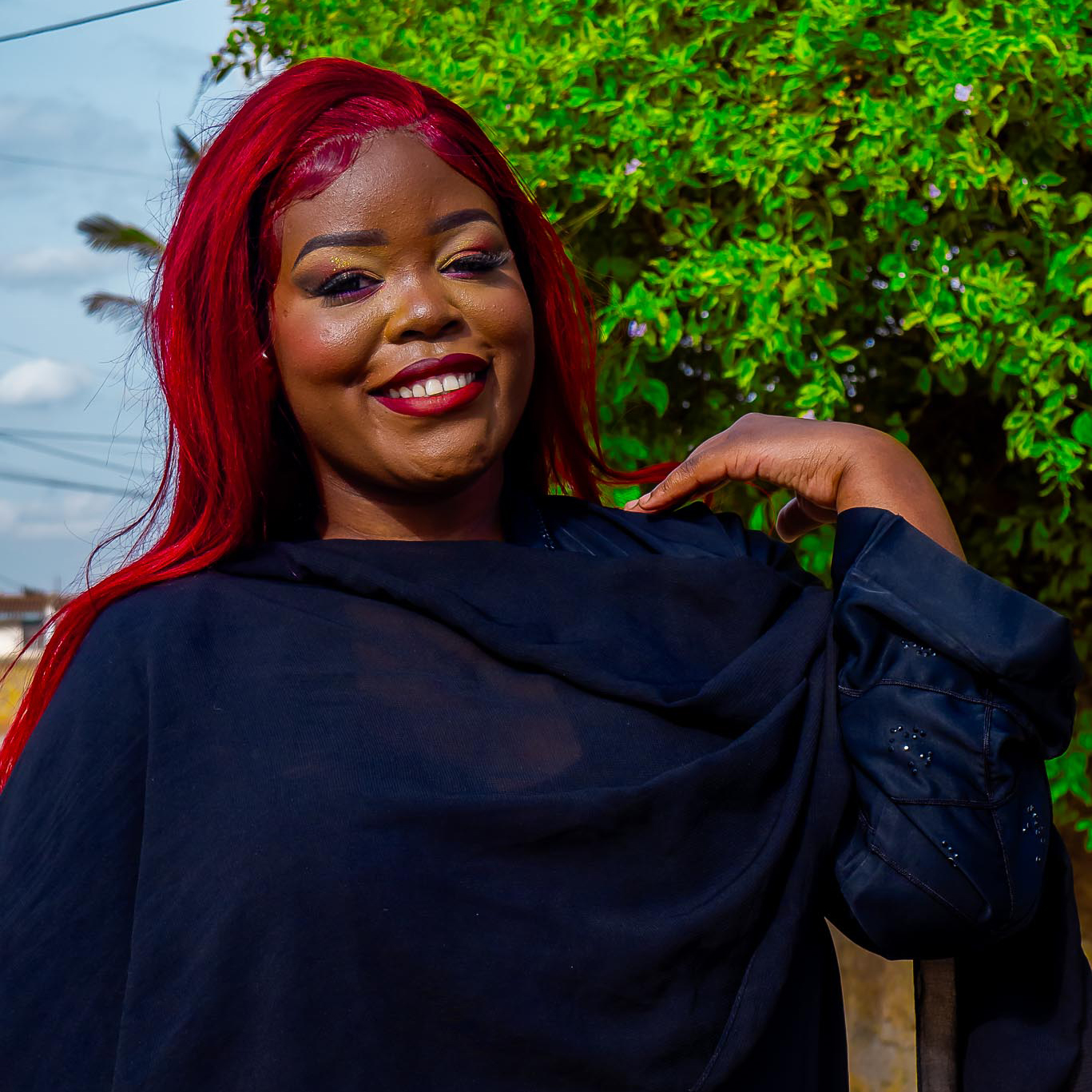
I started photography because it is my passion and it makes me happy. I am passionate about cultural photography — capturing the richness, traditions, and everyday beauty of the people and communities around me. Photography gives me a way to preserve and share stories that might otherwise go untold, and to celebrate the culture and humanity that I see in my world every day.
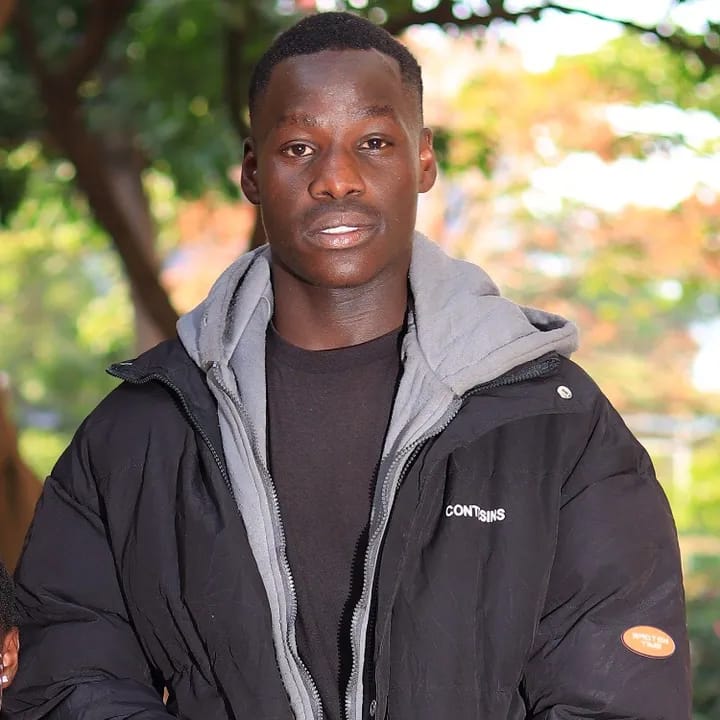
1.I started photography out of curiosity and a desire to tell stories visually. What become as practice quickly became my way of understanding and documenting the world around me.
2.I’m passionate about expressing emotion, and human connection. My work focuses on capturing honest moments that feel real.
3.Presence and growth are important to me. I value meaningful connections, continuous learning, and staying attentive to small part daily life.
4.Limited equipment pushes me to be resourceful and intentional. I focus on storytelling, and composition rather than mistakes.
5.This opportunity means visibility, growth, and connection. It’s a chance to share my experience and communicate through my work.
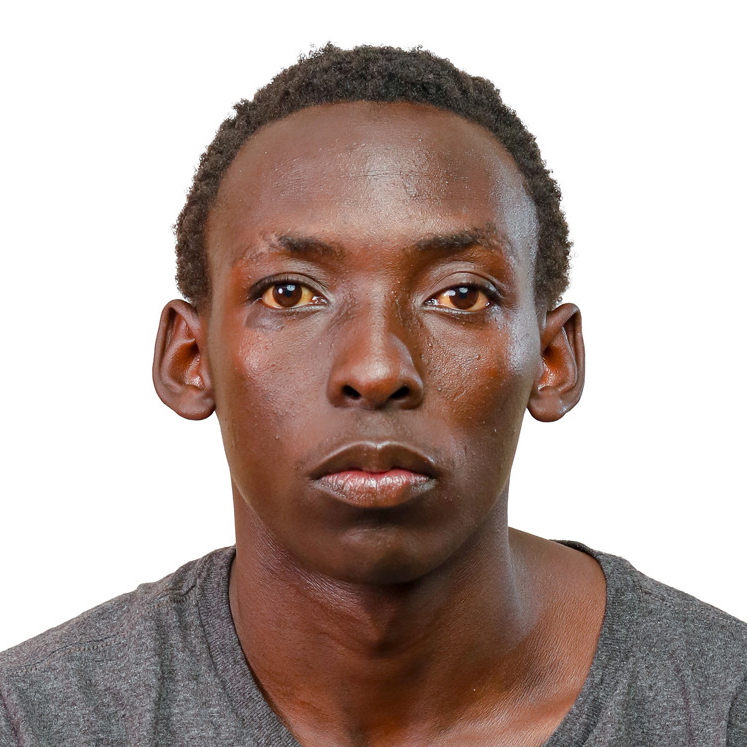
I started photography out of curiosity and intrest to capture beauty of my sorrounding and as my source of expression.
I’m passionate about my sorrounding, people and the untold beauty of where i come from. Kibera is a beautiful canvas full of briliant scens and minds and ethnicities.
The most important thing in my daily life is how my people maneuver their way out daily despite the challenges and barriers they face in our daily life in kibera.

I always saw myself as an actor and I joined an acting group after highschool in 2019. The director was always busy and it came a mobile film competition that I truly saw as an opportunity, this I wrote a script gathered the other actors on behalf of our busy director. Talked to the crew and we shot our first film. This was not a great film as I had done everything including being the director and and the starring. Then it hit me I am a story teller and I am so good in coming up with films. Thus we did the movie again with so many changes and I was responsible for the making up of the film. We received our very first award.
I love telling the story of where I come from. I believe I art has a big impact on the day to day activities of someones life. People like to emulate what they say and I intend to use that by educating and entertaining the audience.
Despite of inadequate equipmenty love for film is bigger than the challenges I face. So I invest into my art so much.
The exhibition is an opportunity for me to meet new people build a network and share my story on a global stage especially. The fact that my films are shot in kibera it gives it a sweet view of my people and who we are.
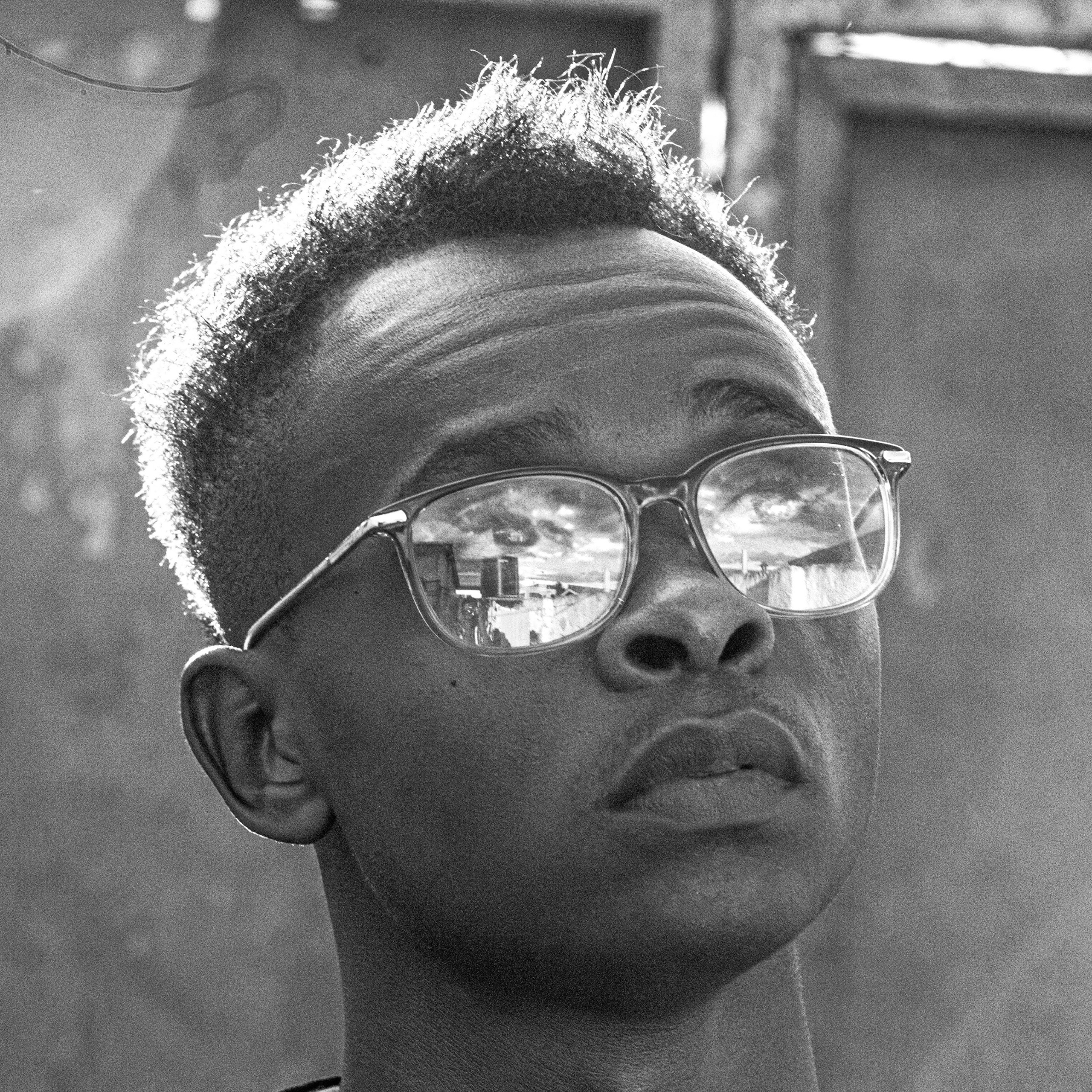
I started photography from a place of curiosity and creativity that has been part of me since childhood. Growing up in Kibera, I was always drawing and crafting, and I became the go-to person in school for bringing ideas to life visually. I later discovered photography as a powerful extension of that creativity, one that allowed me to capture moments and turn them into lasting memories. Photography made me feel like I could create a moment in life that people could return to and relive just by looking at an image.
I am passionate about expressing real stories through my work, stories of everyday life , resilience, emotion, and beauty that are often overlooked. My background shapes how I see the world, and through my lens I aim to show authenticity and humanity, especially from communities like mine.
What is important to me in my daily life is creativity, growth, and purpose. I value learning, staying curious, and finding meaning in small moments. These values guide how I live and how I create.
With limited resources, I continue creating by being resourceful. I have often worked with borrowed or minimal equipment, relying more on my eye, creativity, and storytelling than on expensive gear. These limitations have pushed me to be intentional and innovative in my work.
This exhibition and opportunity mean a lot to me. It represents a chance to share my perspective beyond Kibera, to grow as a creative, and to show that powerful stories and talent can come from anywhere. It is not just an opportunity for exposure, but a step toward impact, representation, and a sustainable creative journey.
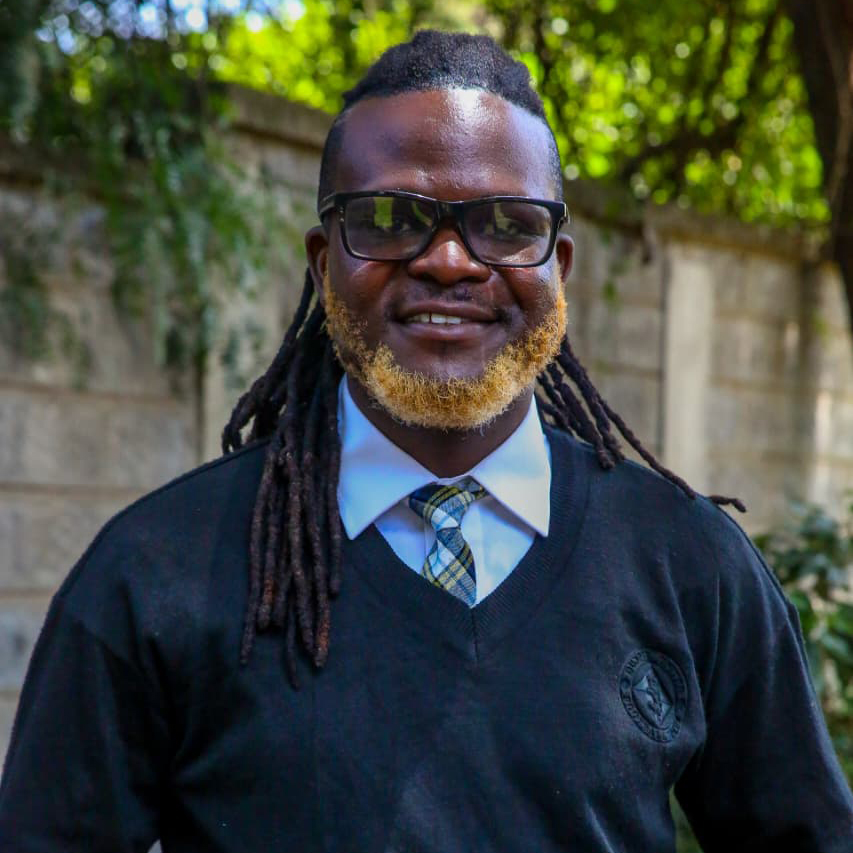
1.I started my job way back in 2010 after joining college.My reason was to tell positive stories about Kibera to the world.
2.The resilience of Kenyan youths and teenagers especially from slum areas and encouraging them that using their talents they can make it to the top
3.The positivity that today may not be a good day but surely tomorrow will.Dont give up
4.I have always believed using the little I have to make huge imapct.Have something you can hang to
5.It means alot to me cos I know millions of people around the globe and especially in Japan will have an opportunity to connect to Kibera using my art.
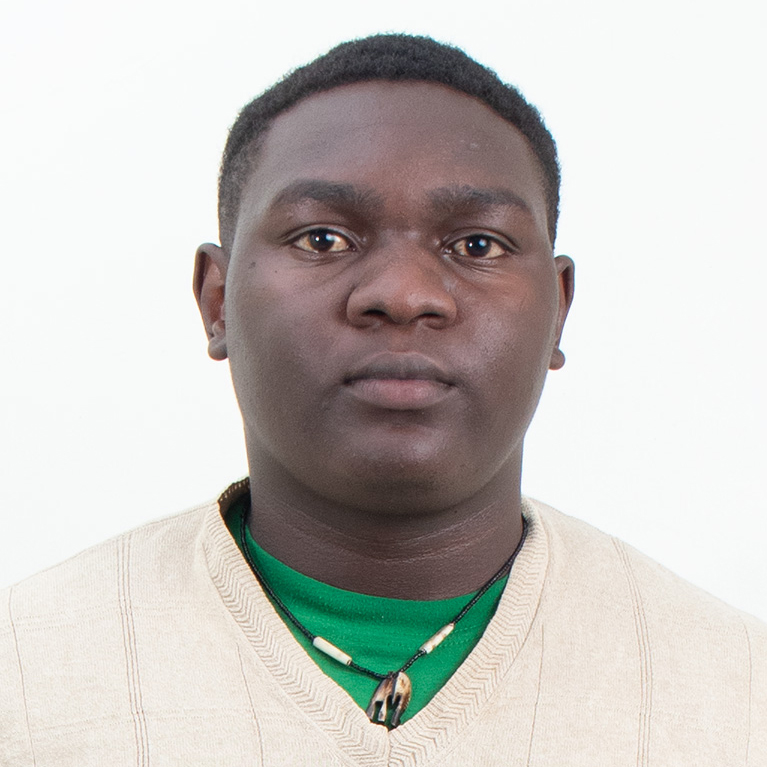
I started filmmaking back in 2024 because I was searching for a way to express what I was feeling but could not say out loud. Growing up, I realized that stories were powerful. In places like Kibera, where I come from, many stories are misunderstood or ignored. I picked up a camera not because I had the best equipment, but because I had something to say. Film became my language.
At first, it was curiosity. I wanted to understand how emotions are captured, how silence can speak, how a simple frame can carry truth. Over time, that curiosity became purpose. Through Mkalino Films, I began writing, directing and producing stories like My Brother, Kanairo Circus, Sweet Lemon, Who is he and Chorea films that reflect identity, struggle, humanity, and dignity. I am passionate about telling stories that feel real, stories that challenge stereotypes and show the depth of people who are often reduced to headlines.
What I care about most in my work is honesty. I don’t want to create just for entertainment; I want to create impact. I want someone watching my film in Nairobi, Tokyo, or anywhere in the world to feel connected to a life they may never have experienced. Cinema, to me, is a bridge.
In my daily life, what matters most is growth spiritually, creatively, and personally. Discipline, faith, and consistency keep me grounded. Even when resources are limited, the vision must remain unlimited. Many times I have created with my smartphone but limitation has never stopped creativity. In fact, it has sharpened it. When you don’t have much, you learn to focus on story, performance, and emotion. That is where true cinema lives.
This exhibition means more than exposure. It is affirmation. It tells me that stories from where I come from deserve global space. It tells young creators in my community that their voices matter. Being able to share my work beyond Kibera even to places like Tokyo is proof that art has no borders.
I am deeply grateful for this opportunity. It is not just my achievement; it belongs to every person who believed in me, collaborated with me, and shared their truth in front of my camera.
Thank you.
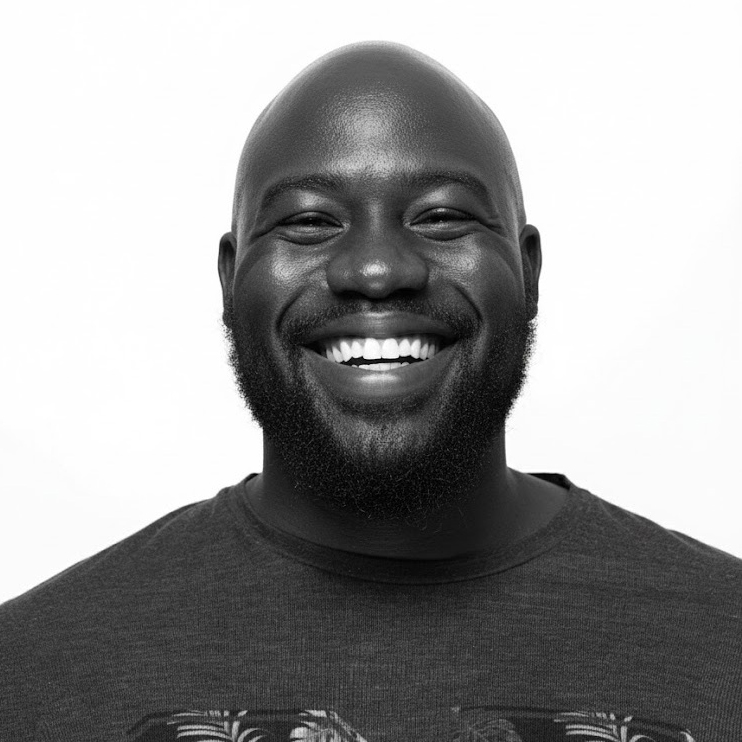
I started photography by accident, honestly. I didn’t grow up wanting to be a photographer or filmmaker. I picked up a camera while trying to make sense of my surroundings, my community, and myself. Over time, it became a language. A way of staying close to people, of listening without interrupting, of paying attention to moments most people pass by.
What I’m most passionate about expressing is everyday life not the dramatic version of it, but the quiet one. How people carry dignity in hard conditions. How love shows up in small gestures. How culture survives pressure. I’m drawn to stories that feel human before they feel impressive.
In my daily life, what matters most to me is presence. Being available to people. Walking my neighborhood. Listening more than I speak. Staying curious. Staying honest with myself about why I’m making work and who it’s for.
A lot of my work has been made with limited or borrowed equipment. Sometimes a phone, sometimes a shared camera, sometimes gear that wasn’t really meant for the conditions I was working in. But I’ve learned that access doesn’t make the work attention does. If you’re close enough to people and patient enough with moments, the tool becomes secondary.
This exhibition and opportunity mean a lot to me. Not just professionally, but personally. It feels like permission to keep trusting my way of seeing, and proof that stories from where I come from ordinary, local, unpolished deserve space, care, and serious attention.
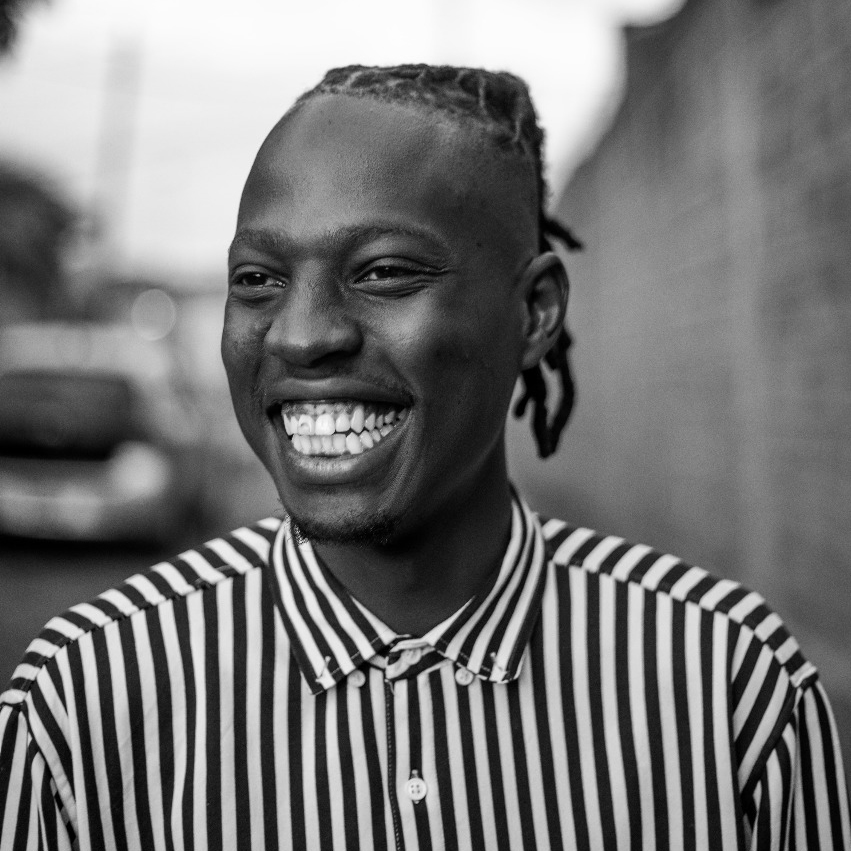
I have always believed that our stories deserve a decent place to live in, growing up in a community that has always been characterized by outsiders, it always feels like we are obligated to share our everyday life. For the last 6 years I have been on a journey of self discovery while learning about my community and what makes it a place I love to call home. I believe that photography and storytelling can be used to boost marginalized voices, it has given me an opportunity to interpret lived experiences into emotional content that can extend care and concern of how I want to advocate for myself and my community. As I have become more significantly resourced, I am looking back and noticing that constraints have always pushed my artistic journey, the need to share my perspective of home, acted as a catalyst even when I didn’t have the technical requirements to make it work. I have however learnt that extending myself to be of service to this gift allows me to wear the hat of translation, this exhibition serves as a bridge to continue my vision of sharing lived experiences with different people and joining the collective call that we deserve to carry and share our stories with compassion.
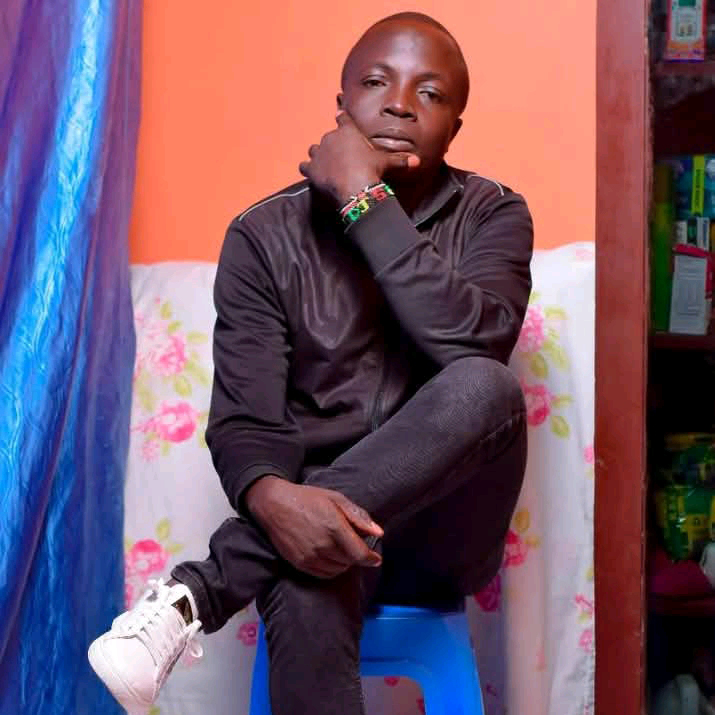
I started working on my Photography and videography work after the 2007 post election violence, where I felt my Kibera community was being misrepresented by the mainstream media.
My work seeks to show the real picture of Kibera, the success and struggles we go through. The daily life of an average Kibera person.
Even with limited equipment, I still feel it’s important to keep representing my community.
This exhibition will help the outside world understand better what life in Kibera really looks like as opposed to what they see in the mainstream media and international media who only come here when there’s violence.
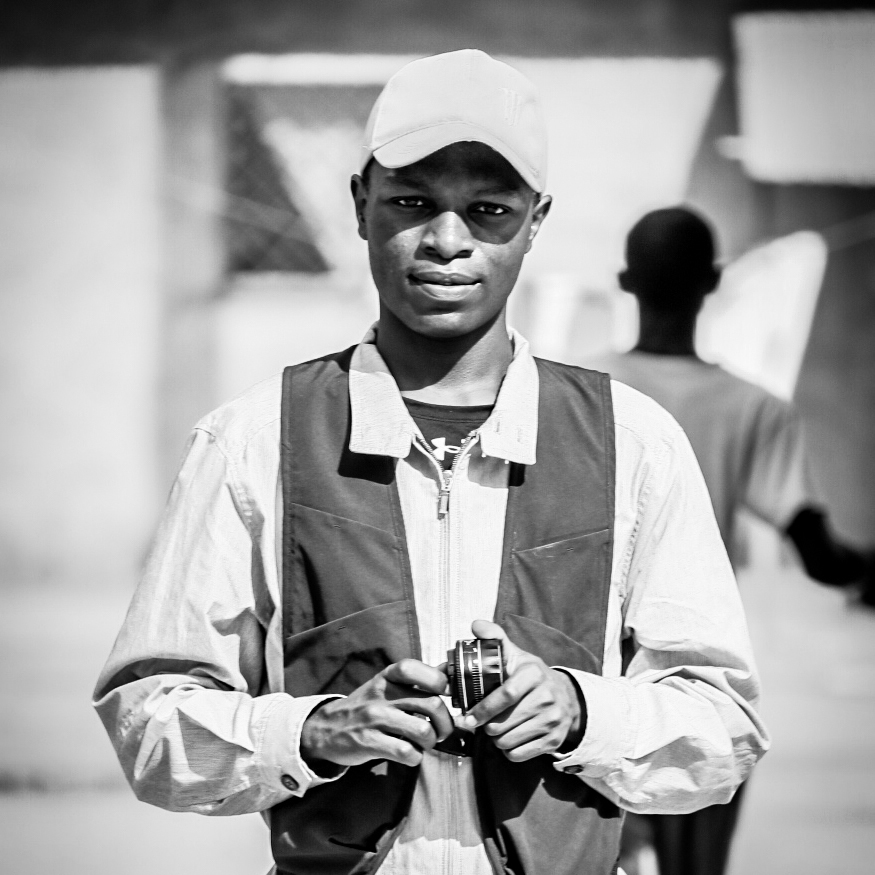
How I Started
In high school, I wasn’t sure what to do. I liked computers, but I loved photography even more. I once participated as a model for Shift80, but I realized I didn’t want to be in front of the camera, I wanted to know how to use it. After finishing school and a course in web development, I joined Kiberaction. They had cameras donated from Japan and held a workshop in April 2025. That is where I learned the basics. Since then, I’ve been practicing every day and watching YouTube to improve. I have already finished my first film and am ready for more.
My Passion
I want to show the real side of life. Most videos today look fake and ai generated . I use my camera to find beauty in real things like buildings, the mood of a street, or the way people in different communities actually live. I want my work to feel honest so that people see the truth, not just a trend.
My Daily Life
I believe in learning something new every single day. I spend my evenings watching editing tutorials and getting ideas from movies. It is also very important to me to help out at the Magoso School. Giving back to my community keeps me grounded while I grow as an artist.
Creating with Borrowed Gear
Right now, I don’t own my own equipment. I borrow what I need from Kiberaction. My plan is to keep using these tools to do professional work and earn an income. By doing this, I am saving money so that one day, I can buy my own camera and gear.
What This Opportunity Means
This exhibition is the biggest moment of my life. I have a lot of respect for Japanese culture and the way they see the world, which I learned from Masach and Tsune-san. This is my chance to see if my stories can touch the hearts of people from a different part of the world. It’s a dream come true to connect my style with theirs.
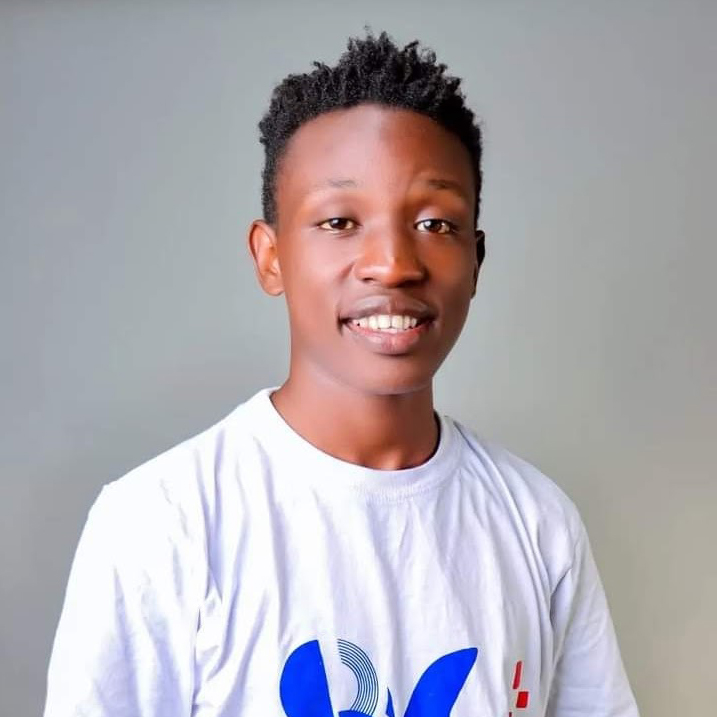
I started photography from my community in Kibra, Kenya. I did not begin with formal training or expensive equipment, but with curiosity and a strong desire to tell real stories around me. I saw many powerful lives, struggles, and talents that were rarely seen or understood, and I felt responsible to document them.
Through my work, I am passionate about expressing truth, dignity, and resilience. I focus on everyday life children, youth, artists, families, and community members not to show pity, but to show strength, humanity, and hope beyond stereotypes. My work is rooted in documentary storytelling, using images and film to inform, educate, and connect people.
In my daily life, what matters most to me is community, honesty, and purpose. I believe stories have the power to change how people see each other, and I try to live in a way that respects the people I photograph and film. Trust, patience, and listening are very important in my process.
Often, I continue creating with limited or borrowed equipment. Sometimes I use shared cameras, basic gear, or whatever is available at the moment. These limitations have taught me to focus more on story, timing, and emotion rather than technology. They have also made me more creative and resilient.
This exhibition and opportunity mean a lot to me. Having my work shown in Japan is an honor and a reminder that stories from Kibra matter globally. It gives voice to my community and encourages me to keep telling stories that might otherwise go unseen. I hope this work builds understanding and connection across cultures.

